How to Get Hair Dye Off Skin and Reduce Blackheads for Clearer Skin

Discover gentle ways to remove hair dye stains and manage blackheads with suitable skincare products, consistent cleansing, and practical tips for healthier-looking skin.
Hair dye stains on your forehead, ears, and hands can ruin the excitement of fresh hair color. Meanwhile, blackheads can make your skin look uneven despite following a regular skincare routine. Finding solutions that address both concerns without irritating your skin can feel frustrating.
Fortunately, you can remove hair dye stains safely and develop better habits for managing blackheads. You do not need harsh scrubs or expensive treatments to improve your routine. Instead, focus on gentle cleaning methods, suitable skincare products, and consistent care. Even small changes can make your routine more effective.
Common Skin Problems That Affect Your Daily Routine
Hair dye stains and blackheads are different problems, but both can affect your confidence. Understanding their causes helps you choose the right solution.
Stubborn Hair Dye Stains
Permanent hair dye can leave noticeable marks around your hairline, ears, and neck. These stains may become harder to remove when pigment stays on your skin. Additionally, aggressive scrubbing can cause redness, dryness, and irritation. Many people immediately reach for strong cleansers or household cleaning products. However, these products may damage the skin barrier instead of solving the problem.
Persistent Blackheads
Blackheads often appear on the nose, chin, and forehead. They develop when excess oil and dead skin cells clog pores. The material inside an open pore darkens through exposure to air, creating the familiar black appearance. Using rough exfoliators or squeezing blackheads can irritate your skin. Therefore, a gentle approach usually works better than aggressive removal methods.
Confusion About Skincare Choices
Choosing suitable products becomes difficult when countless treatments promise clearer skin. Some products focus on cleansing, while others target clogged pores or uneven texture. Your skin type, sensitivity, and specific concerns determine the right choice.
How to Get Hair Dye Off Skin Safely
If you notice a hair dye stain, act promptly without damaging your skin. Fresh stains are often easier to remove than dried stains.
1. Start With Warm Water and Gentle Cleanser
First, wash the stained area with lukewarm water and a mild facial cleanser. Massage gently using your fingertips. Avoid hot water because it may increase dryness and irritation. If the stain remains, repeat the process once instead of scrubbing harder.
2. Try a Small Amount of Oil
Oil-based products may help loosen certain hair dye stains. Apply a small amount of mineral oil or gentle cleansing oil to the affected area. Massage lightly, then remove the oil with a soft, damp cloth. However, keep the product away from your eyes. Stop immediately if you notice burning or irritation.
3. Avoid Harsh Household Products
Never use bleach, acetone, or strong cleaning chemicals on your skin. These substances can cause irritation or chemical burns. Similarly, lemon juice and abrasive scrubs may aggravate sensitive areas. For future coloring sessions, apply a thin layer of petroleum jelly around your hairline and ears. This simple precaution helps reduce direct contact with hair dye.
4. Protect Your Skin After Cleaning
Once the stain fades, apply a fragrance-free moisturizer. This helps support your skin barrier and reduces dryness. If irritation develops, stop using additional products until your skin settles. Seek medical advice if you experience persistent inflammation, swelling, or blistering.
How to Manage Blackheads Without Damaging Your Skin
Removing blackheads requires a different approach from removing hair dye. Instead of targeting surface stains, manage clogged pores and excess oil.
Build a Consistent Cleansing Routine
Wash your face twice daily with a gentle cleanser. Cleansing removes oil, sweat, sunscreen, and everyday impurities. Nevertheless, washing too frequently can strip natural oils and worsen irritation. Choose a cleanser that suits your skin type. If your skin feels tight after washing, consider switching to a gentler formula.
Consider Salicylic Acid
Salicylic acid is a commonly used skincare ingredient for blackheads. It helps exfoliate inside pores and loosen the buildup that contributes to blockages. Start with a low-concentration product and follow its instructions. Introduce it gradually, especially if your skin is sensitive. Avoid combining several strong exfoliating products simultaneously.
Moisturize and Apply Sunscreen
Oily skin still needs moisture. A lightweight, non-comedogenic moisturizer can maintain hydration without unnecessarily contributing to clogged pores. During the day, use broad-spectrum sunscreen with SPF 30 or higher. Sun protection supports overall skin health and helps prevent sun-related skin damage.
Avoid Squeezing Blackheads
Squeezing blackheads can cause redness, inflammation, and possible scarring. Repeated picking may also introduce bacteria into irritated areas. Instead, follow a consistent skincare routine for several weeks. If blackheads remain stubborn, a qualified dermatologist can recommend suitable treatments or professional extraction.
Can Better Skincare Tools Improve Your Routine?
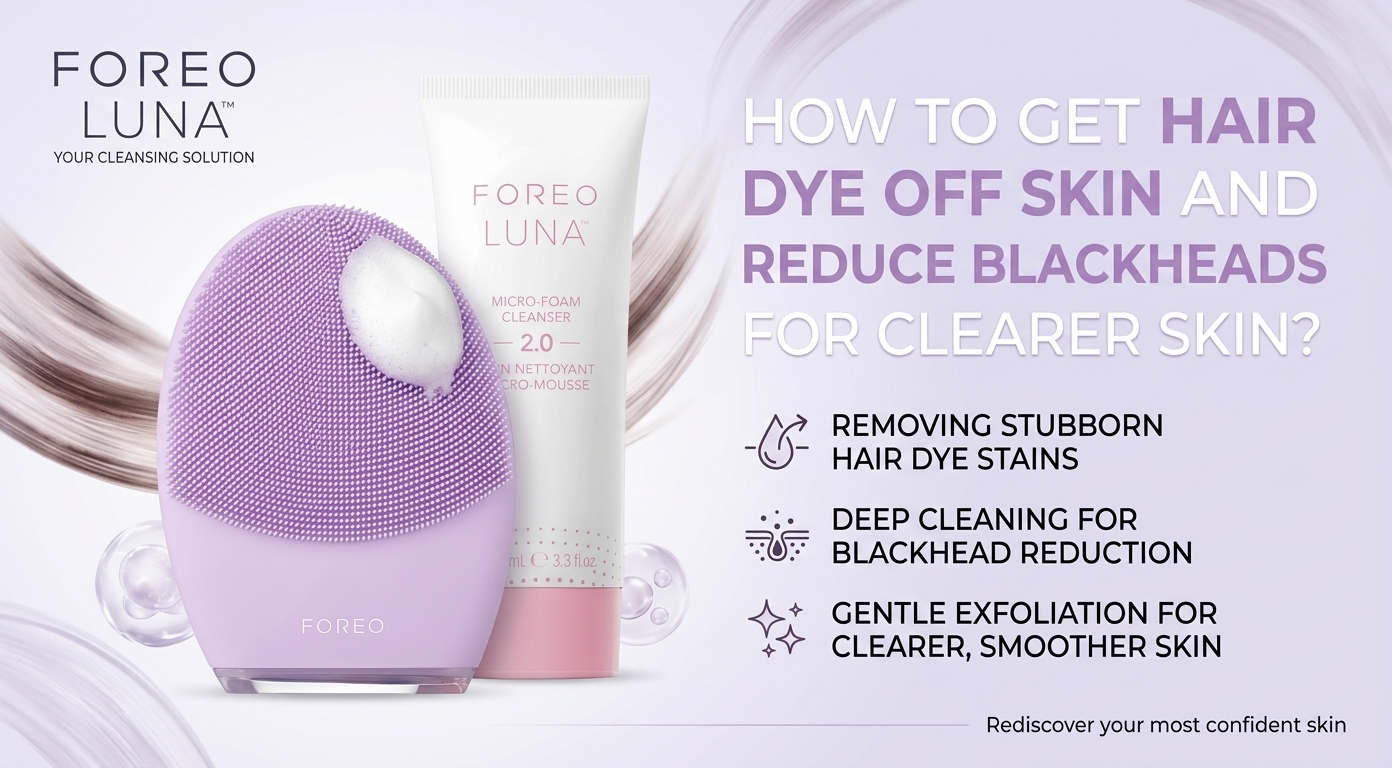
Traditional skincare habits provide a useful foundation, but some people want additional cleansing support. Skincare devices may become worth considering in these situations. For example, Foreo US offers skincare devices designed to complement personal skincare routines. Depending on the device, features may include facial cleansing technology and different settings for everyday use.
However, a device cannot replace suitable skincare products or correct every skin concern. Blackheads may require ingredients such as salicylic acid, while hair dye stains generally respond to gentle cleansing and time. Before investing in a premium device, consider your skin type, budget, and daily habits. Look for clear usage instructions, easy cleaning, and features that address your actual needs.
Benefits of Choosing a Premium Skincare Solution
A premium skincare device may offer convenience for people who prefer a more structured cleansing routine. Nevertheless, its value depends on how well it fits your needs.
Consider these factors before upgrading:
- Convenience: A well-designed device may make your cleansing routine easier to maintain.
- Consistent use: Simple controls and comfortable handling can encourage regular skincare habits.
- Personalized settings: Some devices offer different intensity options for individual preferences.
- Routine support: Facial cleansing tools can complement a gentle cleanser and moisturizer.
- Long-term value: Durable construction and clear care instructions may help justify the initial cost.
Before purchasing, compare device features, maintenance requirements, and suitability for sensitive skin. Follow the manufacturer's instructions, and avoid using devices on irritated or damaged skin.
Most importantly, remember that expensive equipment does not automatically deliver better results. Consistency, gentle cleansing, and suitable ingredients remain essential for healthy-looking skin.
Conclusion
Learning how to get hair dye off skin and manage blackheads starts with understanding each problem. Gentle cleansing, suitable skincare ingredients, and avoiding harsh scrubbing can help protect your skin. Meanwhile, a consistent routine may provide better results than repeatedly switching products. If you want additional cleansing support, explore options from Foreo US and compare their features with your personal needs.
Choose products carefully, introduce new treatments gradually, and give your skin time to respond. With informed decisions and regular care, you can build a practical skincare routine without unnecessary irritation or spending.